Seasonal Stormwater Runoff Risks and OSHA Reminders
By Mark Kohout, Sr. Regulatory Specialist/Midwest Reg’l Manager (Chicago)
Mark Kohout is a seasoned Senior Regulatory Specialist and Midwest Regional Manager with over four years of experience in regulatory compliance. With a commitment to upholding industry standards and fostering regulatory excellence, Mark continues to make a significant impact in the Midwest region of the United States.
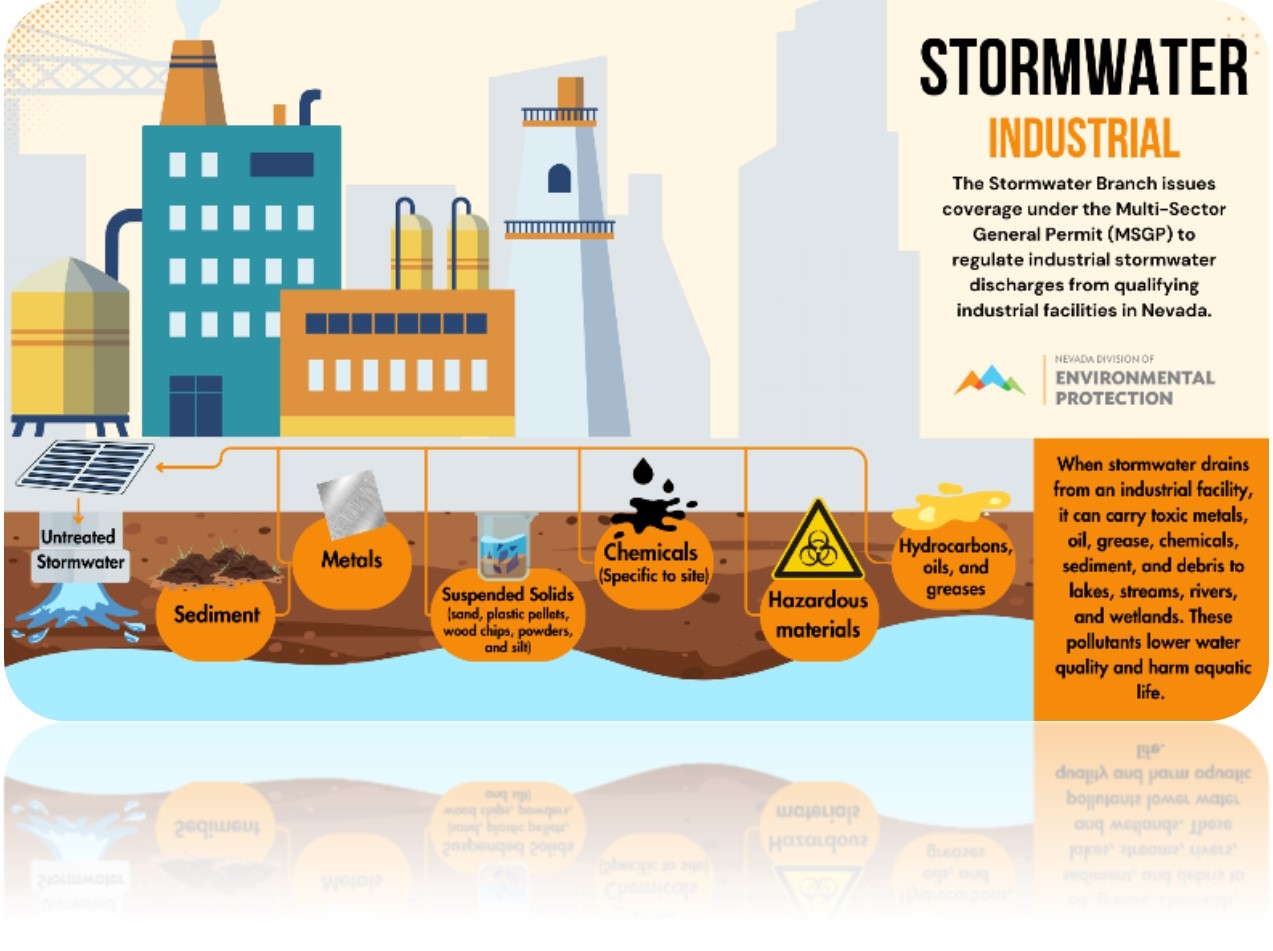
A strong environmental compliance topic for the spring and summer months is stormwater management, specifically how seasonal rainfall and increased outdoor activity can expose gaps in a facility’s compliance program.
As snowmelt transitions into heavy spring rains and summer storms, facilities face a much higher risk of pollutants being carried offsite through runoff. Materials that may have remained stable during colder months such as oils, chemicals, dust, or waste can quickly become environmental liabilities when exposed to precipitation and drainage pathways.
This is where compliance under the Clean Water Act becomes especially relevant, as regulators tend to increase scrutiny during these seasons when discharge risks are at their peak
Many facilities assume their Stormwater Pollution Prevention Plan is sufficient simply because it exists, but changes to operations, material storage, or site layout often occur without being reflected in the plan. These gaps can lead to failed inspections, violations, and costly enforcement actions.
Spring and summer are also the times when employees are more active outdoors, which increases the likelihood of improper material handling, uncovered storage, or blocked drainage systems. Without proper training and oversight, even minor issues can escalate into reportable incidents
Programs that are not regularly reviewed and updated to reflect current operations, site conditions, and workforce activity can quickly become ineffective. Facilities that take a proactive approach—by updating stormwater plans, reinforcing training, maintaining proper documentation, and ensuring systems are functioning as intended, are better positioned to remain compliant, reduce risk, and demonstrate a defensible program during inspections.
OSHA Reminders – Forklift Training and Indoor Air Quality
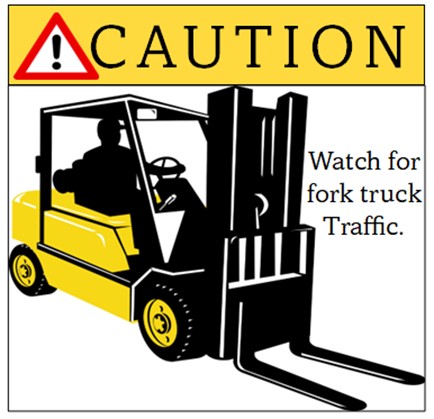
One of the most common areas of concern during the summer months is forklift safety. As activity levels increase, so does the frequency of powered industrial truck use. Facilities often see a rise in shipping, receiving, and internal material movement, which places additional pressure on operators and equipment alike.
In some cases, temporary or less experienced workers are brought in to meet demand, which can bring additional risk if training and certification are not thoroughly managed. The faster pace, combined with congested work areas and extended operating hours, can lead to preventable incidents such as collisions, tip-overs, or pedestrian injuries. Maintaining strict adherence to operator training, equipment inspections, and traffic management protocols becomes essential during these peak periods.
Indoor air quality and ventilation also become a significant focus as temperatures climb. Many facilities rely on increased airflow, fans, or ventilation systems to maintain a comfortable working environment, but these adjustments can sometimes create unintended consequences. Poorly balanced ventilation may circulate dust, fumes, or airborne contaminants throughout the workspace, potentially exposing employees to respiratory hazards
Additionally, processes that generate heat or emissions may become more problematic when combined with warmer ambient conditions. Ensuring that ventilation systems are functioning properly, filters are maintained, and air quality is monitored helps prevent both short-term discomfort and long-term health concerns. A well-documented indoor air quality program demonstrates that a facility is not only aware of these risks but is actively managing them.
Higher activity levels lead to more frequent forklift use, often involving newer or less experienced operators, which increases the likelihood of incidents if training and oversight are not properly maintained. Warmer temperatures also place added strain on indoor environments, where ventilation systems must be properly managed to prevent the circulation of dust, fumes, and airborne contaminants that can impact employee health.